In 2025, the world is moving faster, expectations are shifting, and definitions of masculinity and family are being redefined daily. Yet even amid this evolution, a change can come—a change in how fatherhood is understood and lived out. The core question remains timeless: What does it take to be a good father? The answer is no longer measured solely in financial provision or authority. It is found in presence, emotional health, spiritual leadership, and the ability to model love and strength in a way that transforms generations.
 1. Being Present Over Being Perfect
For decades, fathers were primarily seen as providers. But today’s children crave presence over perfection. A good father in 2025 understands that showing up emotionally, physically, and mentally is more impactful than simply bringing home a paycheck. Sitting in the same room is not the same as being available. Listening, engaging, and responding to a child’s emotional world is where trust is built.
Today’s challenge: balancing demanding work schedules with meaningful family engagement.
Today’s opportunity: use of tech to stay connected when away, and intentional disconnection from tech when at home.
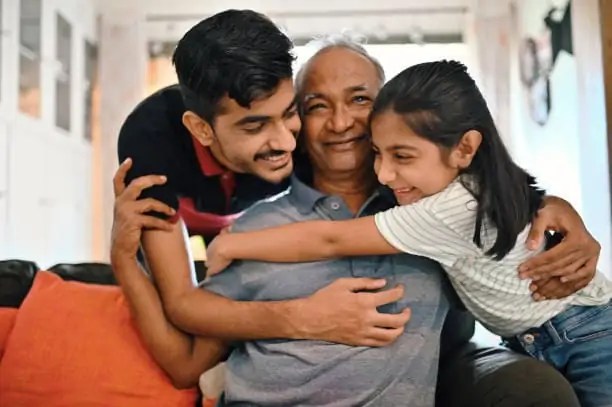
2. Embracing Vulnerability as Strength
The days of stoic, emotionally distant fatherhood are behind us, because they never worked. A good father now understands that vulnerability isn’t weakness; it’s the bridge to connection. Men who are emotionally honest with their children teach them courage, empathy, and authenticity.
Jesus, the ultimate model of masculinity, wept openly, embraced children, and spoke with compassion. Following his example, fathers are called to lead with humility and heart.
In 2025, the strongest father is one who says, “I was wrong,” “I’m sorry,” or “I’m struggling,” and creates space for his family to do the same.

3. Healing the Father Wound
Many men today are trying to become the fathers they never had. They carry silent wounds from absent, abusive, or emotionally detached fathers. Without healing, those wounds become patterns. A good father in 2025 recognizes the need for healing through therapy, spiritual growth, and brotherhood.
Breaking generational cycles is not just about changing behaviour; it’s about transforming beliefs. It means moving from survival mode to intentional fathering.
4. Mental Health and Wholeness
The mental health of fathers directly impacts their ability to lead, love, and listen. Depression, anxiety, and burnout are real and often undiagnosed in men. In religious and cultural contexts, these struggles are usually minimized or misunderstood.
A good father recognizes that seeking help—whether through therapy, mentorship, or medical support—is a sign of love, not weakness. Faith and therapy are not opposites; they are allies in healing. The emotionally and mentally healthy father is more present, patient, and purpose-driven.
5. Spiritual Leadership Without Tyranny
Being a spiritual leader doesn’t mean dominating your household with rules or fear. It means leading by example—in humility, worship, and service. A good father prays with and for his children. He models grace and accountability, disciplines with love, and makes space for questions and growth.
 6. Building a Legacy Beyond Wealth
A good father in 2025 understands that legacy is not just what you leave to your children, but what you leave in them. Emotional intelligence, moral clarity, and spiritual depth are true inheritances. Provision matters, but the legacy that shapes the future is character.
Your children may not remember every gift, but they will remember your laughter, your comfort, your words of affirmation, and your presence at the dinner table or the bedside.

7. Redefining Strength for the Next Generation
Strength is no longer defined by silence, aggression, or emotional detachment. True strength is tenderness under pressure, integrity in private, and sacrificial love in action. A good father teaches his children—sons and daughters alike—that strength includes softness, and that leadership begins with love.
 Being a Good Father
The world may change, but God’s vision for fatherhood remains steadfast. Whether biological, adoptive, spiritual, or step-fathering, God calls fathers to reflect His heart, patient, gracious, just, and deeply loving.
Being a good father is not about meeting an outdated mould. It is about becoming a whole man, healed and healing, grounded in purpose, and open to growth. It’s about walking in love, led by truth, and leaving a legacy of compassion and conviction.


